Photo by Lisa Fotios
Have you seen the price of produce lately? Rutabagas are through the roof. (Full disclosure. I’ve never bought a rutabaga in my life. But saying the price of lettuce is through the roof doesn’t have the same impact. It’s the alliteration.)
Whether you took up gardening in 2020 during the pandemic or were inspired to flex your green thumb for the first time this year, congratulations. You’ve taken the first step in a rewarding hobby that will be having you nervously watching the weather forecast for 4-5 months every year.
Gardening is a lot of fun and has a multitude of benefits.
I just hope you weren’t doing this to save money. If so, I’ve got some bad news for you sunshine.
I know what you’re thinking because I thought it at one point too. How expensive could it be? A packet of seeds costs about $3. What more do I need?
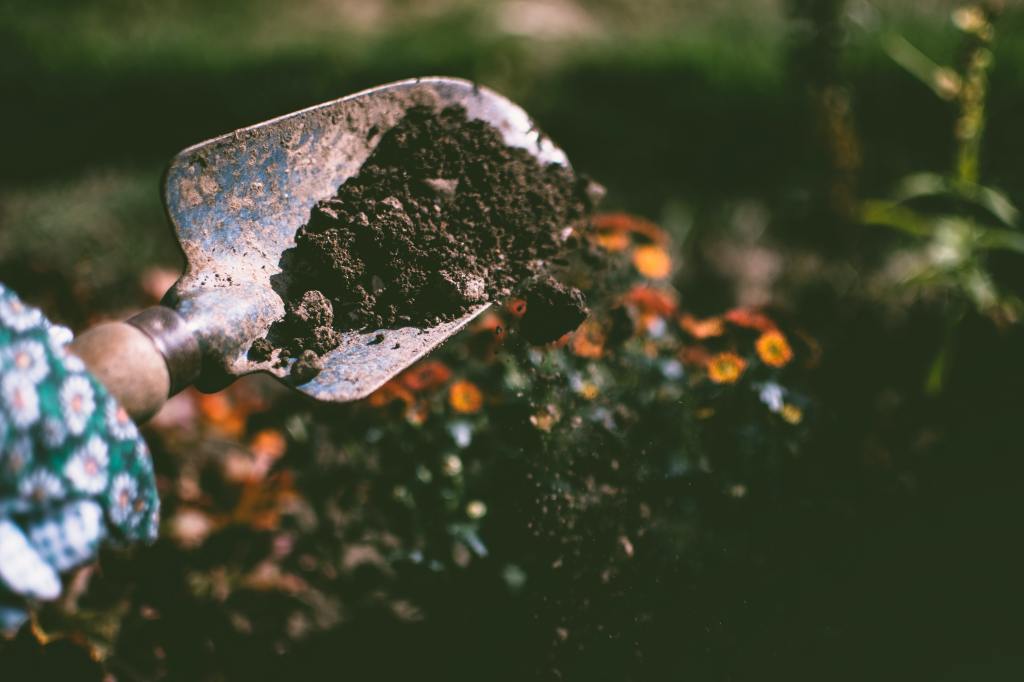
I’m glad you asked. Assuming you have a trowel and shovel, here are a few more things you’ll need to get started.
- Nutrients – different plants have different nutritional needs. Some like a lot of nitrogen, others like potassium, and some like a little bit of each, depending on what stage of development they’re in. Prepare to put things like bone meal in your Amazon chart and familiarize yourself with what NPK means. Hint – it’s not the moniker of a serial killer. It stands for nitrogen, phosphorus and potassium, three of the building blocks of most fertilizers. Why did they go with NPK instead of NPP? Because it’s too close to OPP and they didn’t want to get sued by Naughty by Nature.
- Watering can (best case) or a hose – Are you counting on Mother Nature to do your watering for you? It’s possible. I think I’ve had one summer when I didn’t have to water much at all. The rain fell at the right times and in the right quantities. That’s one year out of 10. Every other year, however, I’ve had to take watering into my own hands. If you’re a small-scale gardener, you can probably get by with a big watering can and a nearby spigot, but anything more than 4×8 bed, you’re going to want a hose. And speaking of watering…

Depending on the size of your garden, you might have to fill your watering can several times. Babuska and bathrobe are optional.
Photo by Dzaina Hasanbekava
- Sprinkler, wand or hose nozzle – You weren’t going to just stand there with water pouring out the end of your hose, were you? If so, maybe growing grass would be a better idea (no not that kind of grass, but if you do, hit me up). You’re going to need a water delivery system that spreads the water out over a wide area. A nozzle works well, especially one with several settings. Even better would be a sprinkler. This is a set-it-and-forget-it option that can save you a lot of time over the course of a summer.
- Pest control – If you’re growing outside, you’re gonna get bugs. What kind of bugs? Every kind of bug. Japanese beetles, aphids, white flies, black flies, red white and blue flies. Fortunately Neem oil will take care of a lot of pests, but not all of them. I will usually advocate for natural pest controls over poisons, especially on your food, but depending on where you live, you could be dealing with a number of different critters, each requiring a different type of pesticide.
- Pest control Part II – Bugs aren’t the only pests that want to dine on (literal) fruits of your labor.. Not by a long shot. The number of creatures that want to snack on your garden includes woodchucks, squirrels, chipmunks, skunks, opossums, moles, voles, former Eagles running back Darren Sproles. So how do you get rid of warm blooded pests that aren’t deterred by a little Neem oil? When you figure it out, let me know. Last year, which was unusually dry in upstate New York, the squirrels were chewing the leaves off our zucchini and sucking the water out of the hollow stems. We tried netting, but they found a way under it. We tried coyote urine. All that did was attract more coyotes. We sprinkled the whole garden with cayenne pepper. Turns out the critters like Mexican food. Our solution. We gave up trying to grow zucchini and switched to garlic. Let’s see those little bastards suck on that.

Coyote urine might keep some pests out of your garden. It is difficult, however, to harvest.
Photo by Frans van Heerden
- Support (non-emotional) – Growing tomatoes? You’ll need cages or stakes to keep them propped up. And unless you have a lot of space, you’re probably going to want a trellis. Viney veggies like cukes, zucchini and squash can spread out if left to their own devices.
- Gardening gloves – Some people would consider gardening gloves optional and, for most of the work, I generally avoid them because they cut down on my already poor manual dexterity. But you might want to consider them while harvesting cucumbers. Cukes grow these prickly spines that won’t kill you but they legit hurt.
- Flats of vegetables – In many areas, you can’t direct sow vegetables that have a longer growing season, like tomatoes and peppers. You’re going to want to buy some plants that were started in a greenhouse. What’s that you say? You wanted to start everything from seed? Sure, you can do that. You’re just going to need
- · Grow lights – Unless you have a lot of window sills, you’re going to need a light source. A regular florescent light will do in a pinch, but if you really want to be effective you’re going to want something that provides a full spectrum of light.
- · Growing material – Chances are, if you’re starting your seeds inside, the ground is too hard to scoop out a few shovelfuls. You’re going to need some potting mix.
- · Cells and pots – This one is the most optional of the list. You can use plastic cups, yogurt containers, egg cartons or anything else like that to start your seeds in. Depending on how long you plan on keeping the plants inside, the cup alone might do the trick. If not, you’ll need something bigger to transplant.
- Trays – Another optional entry, but if you aren’t going to use trays under your seedlings, I’d suggest getting a plastic tablecloth from the dollar store to catch the water that runs out the bottom of the pots or cups. What, you didn’t put holes in the bottom of your cups? Uh oh.
I think that covers the basics. Of course, there are tons of accessories that, while not necessary, make gardening easier. I’ve got a padded kneeler that also serves as a seat and has handles that help an old man like me get up. Is it necessary? No, but neither is standing up, technically.
In all seriousness, the purpose of this post wasn’t to dissuade you from gardening. Gardening is a great experience full of benefits like fresh air, exercise, sunshine and the indescribable feeling of proudly serving something that you nurtured from a seed. And I don’t think anyone will argue that fresh vegetables from the garden taste so much better.
But if you’re in it just to save money, I can save you a step right now. Cancel your Burpee catalog, and just hit up the local farmers market. Same fresh food. A lot cheaper than growing your own.
Now, who wants to talk about raising chickens?
 Bob Recotta Communications
Leave a comment