
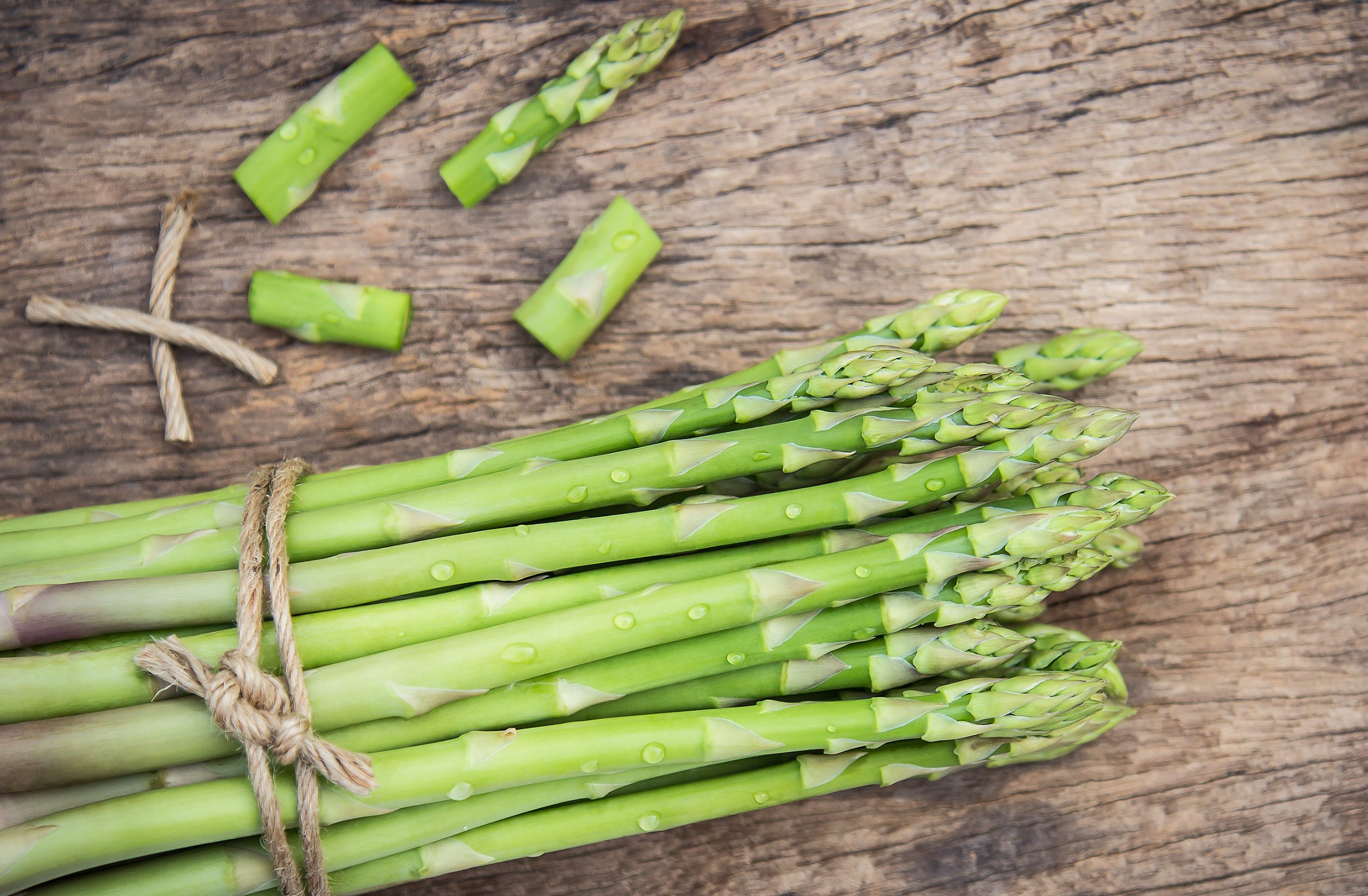
Photo by Aphiwat Chuangchoem
I’ve always been partial to perennials. In my early gardening days, the thought of planting something and having it return year after year with no upkeep appealed to me.
As I got more experienced, I quickly figured out that’s not how gardening works, but the thought of only purchasing something once still hits me where I live.
In my wallet.
Imagine my surprise when I found out there exists perennial vegetables.
Are you imagining me agog? Because I was agog. Literally agog.
Probably the best known perennial vegetable is asparagus. With all the delicious ways you can cook asparagus, it’s not surprising.
In addition to its versatility, its hardiness also makes it a great choice for anyone planning a garden. It is hardy in Zones 3-10, which is everywhere in the continental United States and some areas of southern Canada and even Alaska.
(Did you know that some places in Alaska are Zone 7? Me either.)
Okay, it’s time for the caveat, and to be honest, it’s a big one. If you are thinking of planting asparagus, it requires patience. You aren’t going to harvest anything from your plants for three years. This means that if you plant asparagus the same day your child is born, first of all you have strange priorities and odd ways to memorialize the birth of your progeny. I mean, I’ve heard of planting trees, but asparagus? Whatever. You do you.
Secondly, that child will be in preschool before you get a meaningful harvest from your asparagus.

Photo by Bich Tran
Still with me? Good. Okay, if delayed satisfaction hasn’t scared you off yet, let’s talk about planting your lifetime commitment, I mean asparagus.
You have two options for planting asparagus, seeds and crowns. I highly recommend crowns, or bare roots. You could go with seeds, but you could potentially be putting the timetable back even further. Life’s hard enough. Why make it harder?
Prior to planting, soak the crowns briefly in lukewarm water. You’re going to want to find a spot that gets between six and eight hours of sunlight a day and has good drainage. Like most plants, asparagus doesn’t like its feet to sit in water.
Dig a trench about a foot deep and a foot wide and create six-inch mounds within the trench, about 12-18 inches apart. Place the crowns on top of the mound and splay the roots down the sides. Fill in the trench until the soil is flush with the crown. Continue to fill in the trench as the spears appear and start to grow until it’s completely flush with the surrounding soil.
The first two years, just let the asparagus do its thing. It will send out shoots that open up into frondy leaves. These fronds are crucial because they create the energy the plant needs to develop and spread its roots.
So, because you won’t be harvesting the asparagus until year three, you can walk away like an action hero from an explosion, right?
Nope.

Asparagus doesn’t need constant fussing, but it does require some care. It will need 1-2 inches of water a week, fertilizer in the spring and pretty vigilant weeding. Asparagus doesn’t like competition, so it’s imperative you keep your bed weeded. Mulch will help greatly with this.
In the third year after planting, prepare for the asparagus feast.
Of a few stalks. For a couple weeks. While you’ll be able to harvest in the third year, the plant is still establishing itself, so do so sparingly, when the spears are five to seven inches long and only for a week or two.
Year four is when your investment of time really starts paying off. Hopefully you haven’t lost interest in gardening and moved on to scrapbooking or home brewing by then.
At this point you can start harvesting the asparagus for 4-6 weeks. A good rule of thumb is one crown will yield about a half pound of spears. So, doing some quick math, for enough asparagus for one meal for a family of four, you’ll need, let’s see, 12 times four, carry the one and…
A lot. You’ll need a lot of space. Asparagus is a space hog, so be prepared for that. Fortunately, after the third year, the space between the crowns will start to fill in and you will see an increased yield.
No matter how old your asparagus is, it’s imperative you let the fronds grow after the harvest so the plant can create the energy it needs. In the fall, once the fronds die back, you can cut them down to the ground.
If the waiting and the work don’t scare you off, you could be rewarded with asparagus for the rest of your life. It’s not unheard of for well-maintained asparagus beds to produce for 20-30 years, so you might want to include them as part of your will.
Or, if you want to mess with your family, you could leave everything to the asparagus. Let the lawyers sort that out. What do you care? You’re dead.
Unlike your asparagus.
 Bob Recotta Communications
Leave a comment